Chamba, Himachal Pradesh: History, Culture, Temples & Travel Guide
Tucked away in the northwestern corner of Himachal Pradesh, Chamba is a place that feels refreshingly untouched by the rush of modern tourism. Surrounded by snow-capped mountains, dense forests, and the flowing Ravi River, this historic town blends natural beauty, ancient temples, and rich cultural traditions into a calm, soul-soothing experience.
If you’re looking for a destination that offers history, spirituality, and scenic landscapes—without the crowds—Chamba deserves a spot on your travel list.
A Glimpse into Chamba’s History
Chamba’s roots go back over 1,000 years. Founded in 920 AD by Raja Sahil Varman, the town was named after his daughter, Princess Champavati. Over centuries, Chamba remained an important princely state, which helped preserve its distinct culture, architecture, and art forms.
Unlike many hill towns that evolved under colonial influence, Chamba retained its purely Indian architectural and cultural identity, making it historically unique in the region.
Natural Beauty That Feels Untouched
Chamba is surrounded by the Dhauladhar and Zanskar ranges, offering breathtaking views in every direction. The Ravi River flows peacefully through the valley, adding to the town’s tranquil charm.
Nearby natural attractions include:
Kalatop Wildlife Sanctuary – dense deodar forests, ideal for nature walks
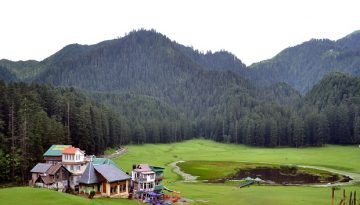
Khajjiar – often called the “Mini Switzerland of India”
Manimahesh Lake – a sacred high-altitude lake revered by pilgrims
Sach Pass – a thrilling mountain pass for adventure lovers
Whether you’re a photographer, trekker, or someone who simply enjoys silence, Chamba’s landscapes feel deeply rejuvenating.
Temples That Tell Stories of the Past
Chamba is known as the “Land of Temples.” Many of these structures date back to the 10th century and showcase classic North Indian temple architecture.
Some must-visit temples include:
Lakshmi Narayan Temple – the most prominent temple complex in Chamba
Chamunda Devi Temple – set against dramatic mountain scenery
Hari Rai Temple – known for its intricate carvings
Shiv Temple of Chamba – spiritually significant and architecturally elegant
These temples are not just religious sites—they are living pieces of history.
Culture, Art, and Traditions
Chamba is famous for its Pahari miniature paintings, known for their delicate lines, natural colors, and mythological themes. Art lovers can explore these at the Bhuri Singh Museum, which also houses ancient manuscripts, coins, and royal artifacts.
Another cultural highlight is the Chamba Rumal—an exquisite embroidered cloth traditionally made by women, often depicting scenes from epics like the Ramayana and Mahabharata.
Folk music and dance play a vital role in local life, especially during festivals.
Festivals That Bring Chamba to Life
The most famous festival here is the Minjar Fair, celebrated in July or August. It marks the arrival of monsoon and is filled with:
Traditional dances
Cultural performances
Processions
Local handicrafts and food
During festivals, Chamba transforms into a colorful celebration of its heritage.
Local Food You Must Try
Chamba’s cuisine reflects the simplicity of mountain life, yet it’s rich in flavor. Popular dishes include:
Madra – a yogurt-based lentil or chickpea dish
Chana Madra
Siddu – steamed bread with fillings
Aktori – a festive pancake made from buckwheat
Local rajma and rice
Most dishes are mildly spiced, comforting, and perfect for the cool climate.
Best Time to Visit Chamba
March to June: Ideal weather for sightseeing and outdoor activities
July to September: Lush greenery, but occasional landslides due to monsoon
October to February: Cold and quiet, with chances of snowfall in nearby areas
Each season offers a different shade of Chamba’s beauty.
Why Chamba Deserves Your Attention
In a world of over-touristed hill stations, Chamba stands out for its authenticity. It’s a place where traditions are still alive, nature remains unspoiled, and life moves at a gentle pace.
Chamba doesn’t try to impress—it simply exists, quietly and beautifully.